Growing a noodle product line for local and overseas markets can create new business opportunities, but handling production internally also brings extra pressure. Costs, manpower, daily operations, and supply planning can become harder to manage as demand grows.
Many businesses are now paying closer attention to the benefits of OEM noodle supplier support, which can help keep supply stable, maintain product quality, and prepare products for market without adding the full weight of production management to the business.
This article helps businesses compare OEM and in-house production to see which option is the better fit for both markets.
7 Types of Businesses That Should Look Closely at OEM Noodle Supply
OEM noodle supply works well for food businesses planning to expand their noodle range without taking on factory setup, machinery costs, manpower, and daily production work.
| Business Type | Why OEM Noodle Supply Fits |
| Restaurant Franchises and Chains | Helps maintain consistent noodle texture, portioning, and quality across multiple outlets. |
| Supermarkets and Mini Markets | Suitable for private label noodle products that can improve shelf variety and profit margins. |
| Food and Beverage Startups | Allows new brands to test noodle products without heavy factory investment. |
| Distributors and Wholesalers | Supports stable supply for retailers, restaurants, and local business customers. |
| Export Buyers | Helps businesses source noodle products for overseas markets with scalable production planning. |
| Health and Specialty Food Brands | Suitable for brands developing unique noodle products based on texture, ingredients, or market positioning. |
| Catering Services and Hotels | Reduces kitchen preparation work while ensuring reliable noodle supply for bulk food service needs. |
A reliable OEM partner helps the business stay focused on branding, sales, and distribution while keeping quality, supply, and growth easier to manage.
Contact Liu Jia Mian Xian (LJMX) to explore OEM noodle supply for local and export needs.
OEM vs In House Production: How to Choose Noodle Supplier for Your Business
Businesses usually compare these areas before deciding which production model can support their sales plans more effectively.
| Factor | OEM Production | In House Production |
| Starting Cost | Lower commitment | Higher investment needed |
| Running Cost | Easier to manage | Higher overhead to handle |
| Speed to Launch | Faster to move | Slower to set up |
| Supply Support | Better for businesses that want smoother fulfilment | Depends on own capacity |
| Packaging Needs | Suitable for private label and market-specific needs | Requires internal coordination |
| Business Flexibility | Easier to adjust as demand grows | Harder to scale quickly |
| Operational Focus | Lets businesses focus on sales and market growth | Requires more attention on production management |
Choosing the more suitable production model can put businesses in a better position to grow across local and overseas markets with less operational pressure.
5 Reasons OEM Works Better for Local and Export Businesses
OEM is a more practical choice for businesses that want to grow their noodle product line without carrying the full cost and pressure of managing production on their own.
1. Reduce heavy cost pressure
In-house production often requires large spending on machinery, manpower, utilities, and daily operations. Working with an OEM partner helps free up capital so businesses can focus more on sales, distribution, and market growth.
2. Keep supply more stable
Local retailers and export buyers both rely on consistent stock availability. A dependable manufacturing partner helps support steady fulfilment, especially during peak seasons, larger orders, and shifting demand.
3. Maintain consistent product quality
Uniform texture, taste, and appearance are important for building trust and encouraging repeat purchases. A structured production process of ready-made noodles MOQ helps keep product standards consistent across batches and markets.
4. Adapt packaging for different markets
Different sales channels often require different pack sizes, branding styles, and labelling formats. Having OEM support helps businesses prepare products that are ready for both local shelves and export requirements without added complexity.
5. Enter the market faster
Faster product rollout gives businesses more flexibility when launching new products or expanding into new markets. Existing production support also helps businesses respond to demand sooner and move on opportunities without long delays.
A setup like this gives businesses more room to grow, especially when managing both local supply and export opportunities at the same time.
Reach out to Liu Jia Mian Xian (LJMX) to discuss OEM noodle support for your business.
When Producing Noodles In-House May Work Better
In-house production can still be a good fit for some businesses, especially those that already have their own factory, team, and production setup. When the resources are already in place, managing production internally may feel more practical.
Some businesses also prefer to keep full control over production, scheduling, and internal operations. This works well when there is enough manpower, strong planning, and the ability to handle the daily demands of manufacturing.
It may also suit larger businesses with higher production volume and a long-term plan to manage everything on their own. Still, this option usually comes with more cost, more responsibility, and a bigger operational commitment.
Businesses that are prepared for that level of control may find in-house production suitable, while others may prefer a setup that is easier to manage as they grow.
Liu Jia Mian Xian: Built for Local Supply, Ready for Export
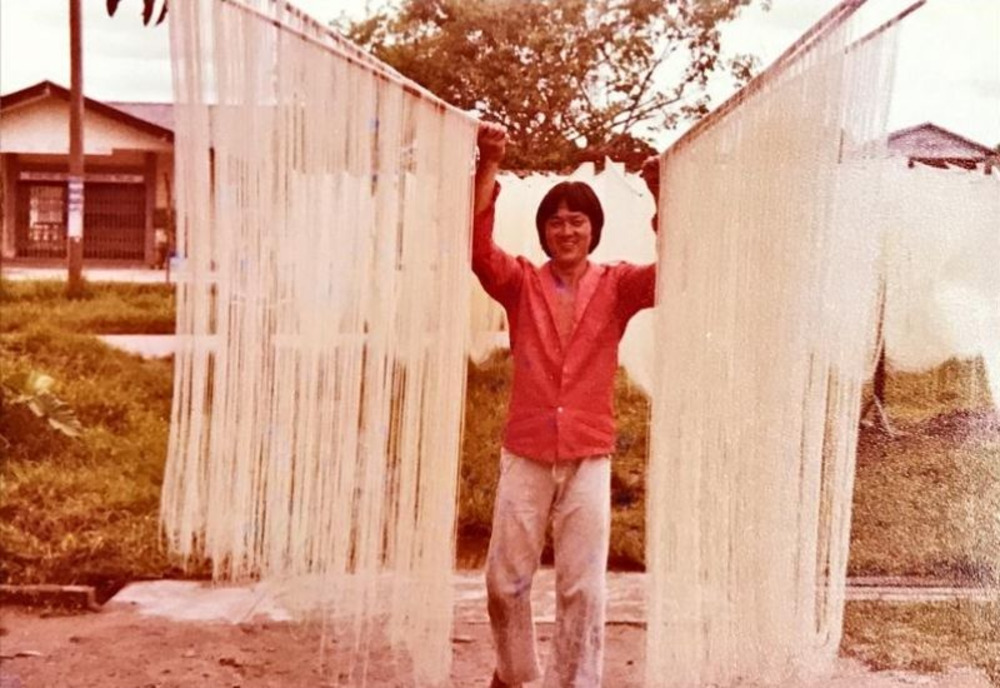
Liu Jia Mian Xian (LJMX) gives businesses the advantage of working with an established traditional noodle manufacturer in Malaysia with roots dating back to 1887.
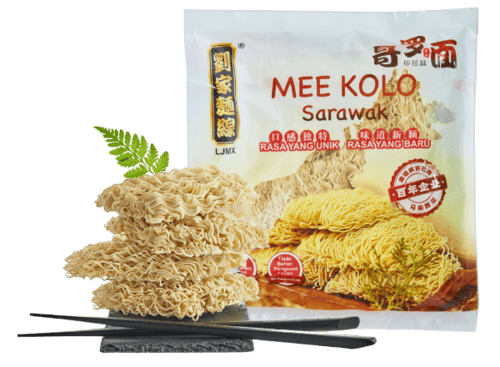
Kolo Mee
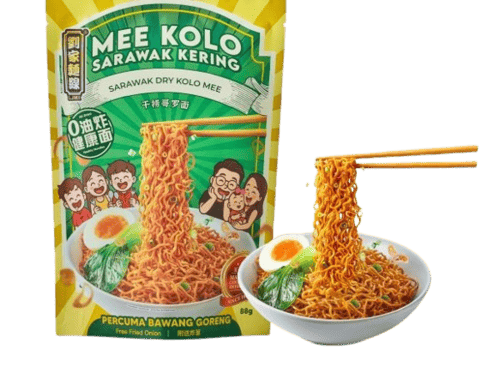
Dry Kolo Mee
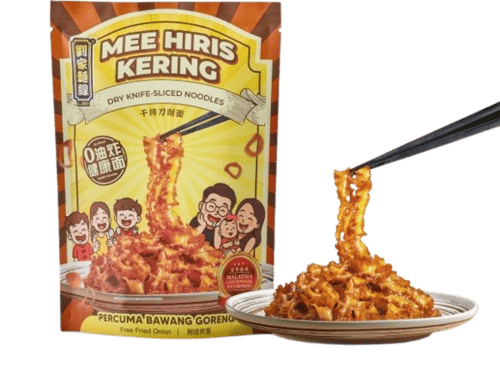
Dry Knife-Sliced Noodles
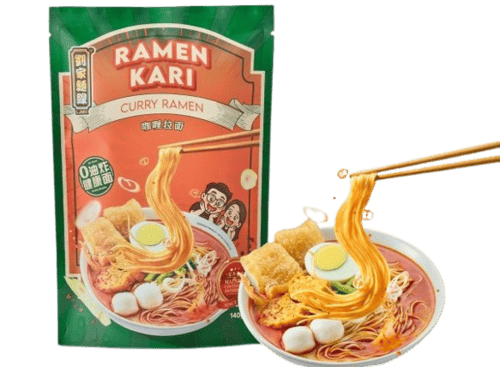
Curry Ramen
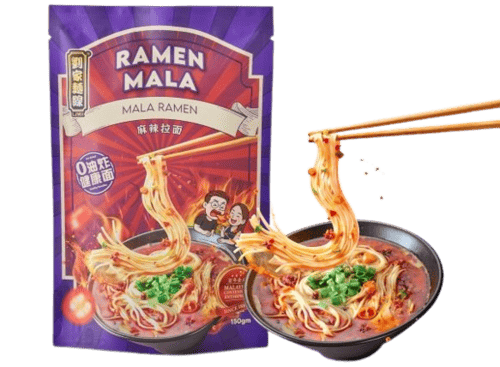
Mala Ramen
Our product range also makes it easier for businesses to expand more than one category. Besides mee suah, Liu Jia Mian Xian (LJMX) also offers kolo mee, knife-sliced noodles, and other noodle products that can support both local supply and export plans.
We have experience supplying grocery shops, supermarkets, wholesalers, and distributors in the long-term.
Businesses will get access to our OEM support that already has product strength, market presence, and supply experience for local and export markets.
Expand Your Noodle Product Line with Liu Jia Mian Xian
Launching a noodle product line needs the ideal production support to grow smoothly. The model a business chooses can shape cost control, supply stability, and how easily it expands into local and export markets.
OEM offers a more practical path for businesses that want to scale without taking on the full responsibility of production. This approach is helpful for retailers, distributors, and brand owners with more room to focus on sales, distribution, and market growth.
Get in touch with Liu Jia Mian Xian (LJMX) to explore OEM noodle manufacturing support for your business.
Frequently Asked Questions About Benefits of OEM Noodle Supplier
1. What is OEM noodle manufacturing?
OEM noodle manufacturing means your noodle products are produced by a supplier under your brand.
2. Is OEM better than in house noodle production?
OEM is often a better fit for businesses that want easier cost control, steadier supply, and less production pressure.
3. How does OEM help reduce cost?
OEM helps reduce spending on factory setup, manpower, machinery, and daily production management.
4. Can OEM support local and export markets?
Yes, OEM can support supply needs for both Malaysia and overseas markets.
5. Can I customise packaging for my noodle brand?
Yes, packaging can be adjusted to match your branding and the needs of different markets.